This glossary is for you to learn vocabulary related to the Prehospital Emergency Care field.
Anisocoria
noun
Anasocoria is unequal pupil size.
en: Anisocorie
Asystole
noun
Also referred to as cardiac flatline, asystole is the state of total cessation of electrical activity from the heart, which means no tissue contraction from the heart muscle and therefore no blood flow to the rest of the body.
en: Asystole
Automated external defibrillator
noun
An automated external defibrillator (AED) is a portable electronic device that automatically diagnoses the life-threatening cardiac arrhythmias of ventricular fibrillation (VF) and pulseless ventricular tachycardia, and is able to treat them through defibrillation, the application of electricity which stops the arrhythmia, allowing the heart to re-establish an effective rhythm.
en: Défibrilateur externe automatique
Bag-valve mask
noun
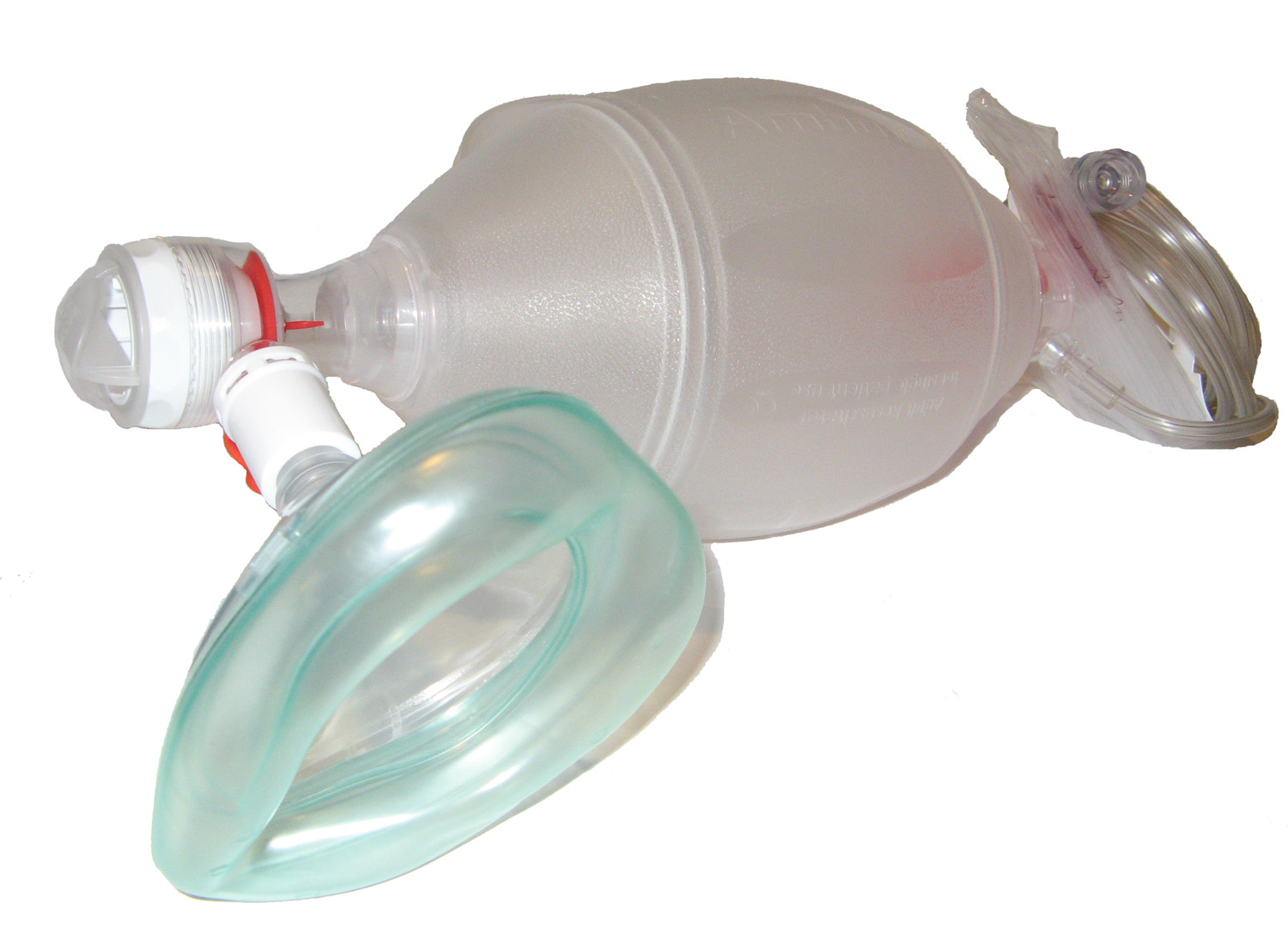
An airway apparatus used to cover the patient's nose and mouth and begin ventilating the lungs mechanically by squeezing a reservoir of oxygen or air.
en: Ballon masque
Cardiac monitoring
noun
It is a continuous monitoring of the heart activity, generally by electrocardiography, with assessment of the patients condition relative to their cardiac rhythm.
en: Surveillance cardiaque
Cervical collar
noun
A neck brace used to support a patient's neck and head.
en: Collet cervical
Combitube
noun
Also known as the double-lumen airway, is a blind insertion airway device used in the pre-hospital and emergency setting. It is designed to provide an airway to facilitate the mechanical ventilation of a patient in respiratory distress.
en: Combitube
Cyanosis
noun
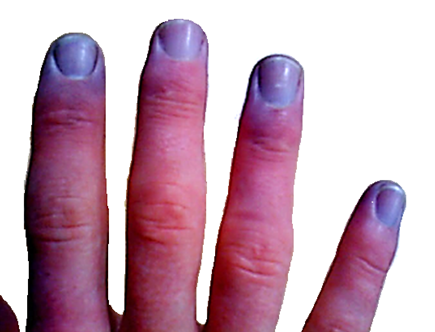
A bluish discoloration of the skin resulting from poor circulation or inadequate oxygenation of the blood.
en: Cyanose
Diaphoresis
noun
Sweating, especially to an unusual degree as a symptom of disease or a side effect of a drug.
en: Diaphorèse
ECG
noun
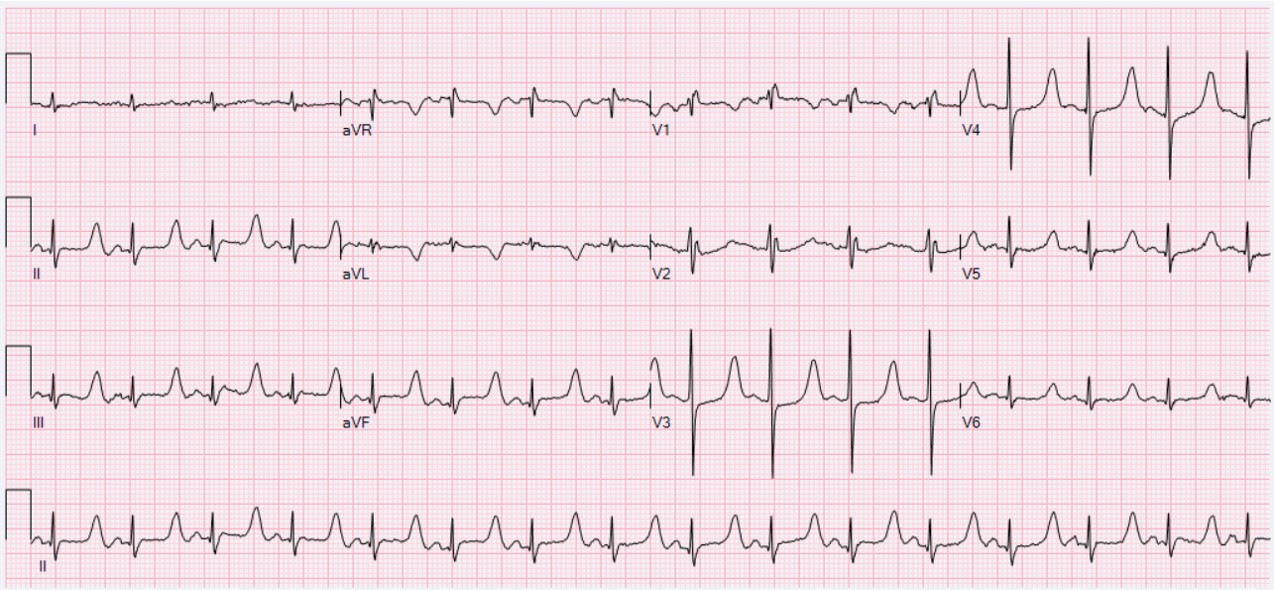
An electrocardiogram (ECG or EKG) is a test that checks how your heart is functioning by measuring the electrical activity of the heart.